
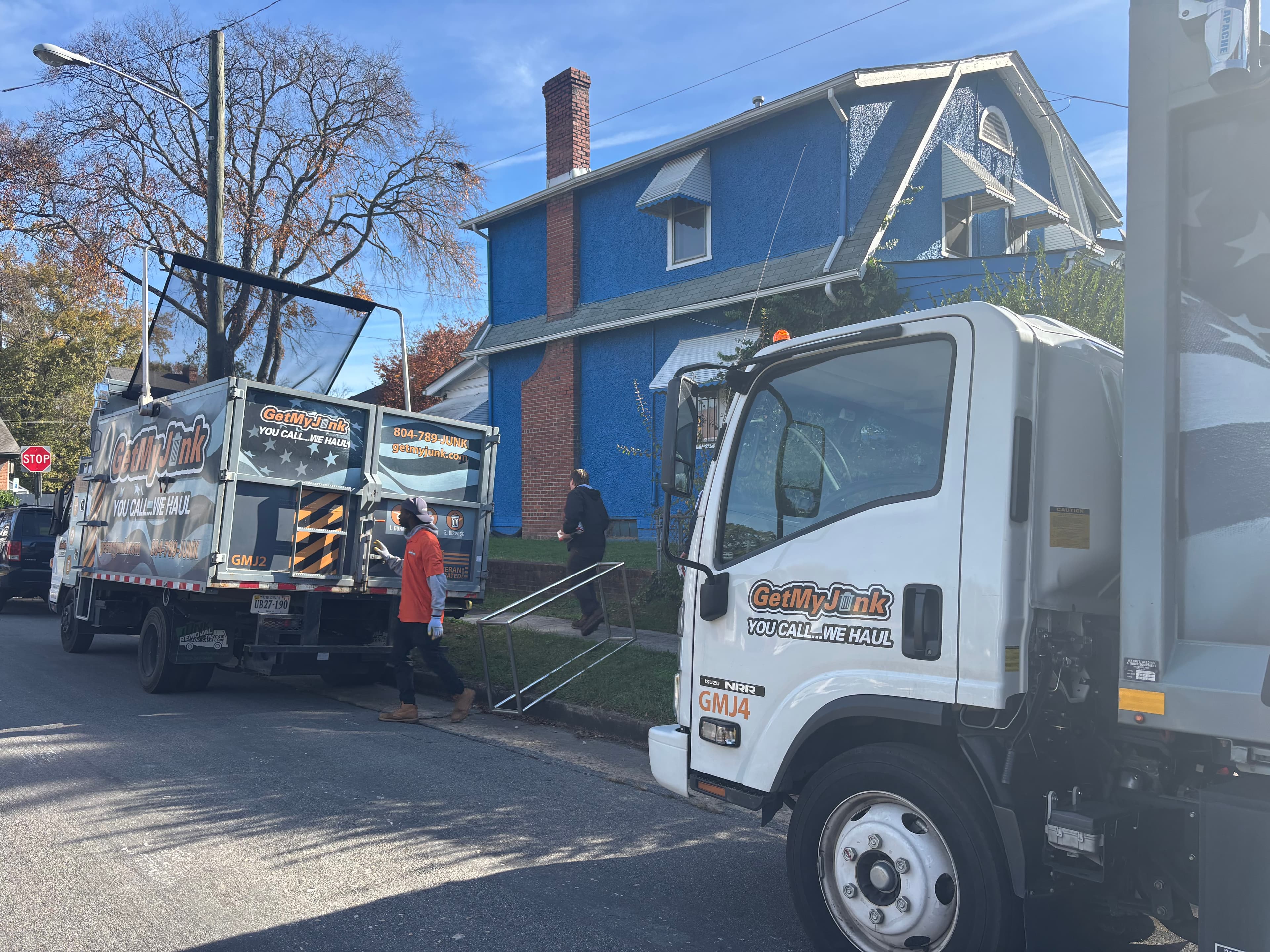
Helping a parent move from the family home into something smaller is one of those tasks that looks like a logistics problem and turns out to be an emotional one. Every closet holds a decision. Every decision holds a memory. And the person making those decisions is often tired, overwhelmed, and quietly grieving a chapter that's closing. If you're a Richmond family facing a senior downsizing, this guide is about how to get through it with your relationship intact, your parent's dignity respected, and the house actually cleared out on time.
Start With the Conversation, Not the Boxes
The most common mistake families make is showing up with trash bags and a deadline. It feels efficient. It almost always backfires, because to the person being downsized, it can feel like their life is being thrown away by someone in a hurry.
Start earlier and start softer. A few things that tend to help:
- Let them lead where they can. Even small choices, like which chair comes to the new place, give a sense of control during a transition that otherwise takes a lot of it away.
- Separate the sorting from the moving. Trying to decide what to keep on the same day the truck shows up guarantees rushed decisions and regret. Build in time.
- Agree on the destination first. Knowing exactly how much space the new apartment or assisted living unit has turns "do we keep this?" into a concrete question instead of an argument.
- Expect it to take longer than you think. A house that took forty years to fill doesn't empty in a weekend.
If you sense the situation is more than a normal accumulation of belongings, if rooms have become unusable or your parent is distressed at the idea of parting with anything, our guide to hoarding cleanup in Richmond covers a different and more delicate approach.
A Room-by-Room Approach That Doesn't Overwhelm
Trying to tackle the whole house at once is how people quit halfway. Go one room at a time, and within each room, sort everything into four groups: keep, give to family, donate, and let go. Keep the groups physically separate so decisions stick.
Start Where It's Easiest
Begin with low-emotion spaces: the garage, the basement, the guest room, the linen closet. These are full of things nobody is attached to, and clearing them builds momentum and confidence before you reach the harder rooms.
Sentimental Items Deserve a Different Rule
Photos, letters, heirlooms, and the things that carry real meaning shouldn't be sorted under pressure. Set them aside in a clearly marked "decide later" box and come back to them on a calmer day. A few techniques that help families here: photograph items that can't come along so the memory is preserved even when the object isn't, and ask relatives early whether they want specific pieces so your parent knows a treasured item is going to someone who'll value it.
Paperwork and Medications
Before anything else leaves the house, pull out financial records, legal documents, medical paperwork, and any medications. These get lost in a cleanout more often than you'd think, and they're the hardest things to replace. Put them in one box that stays with the family, not in the pile.
The Big Furniture Decision
Furniture is where downsizing gets real, because most of it simply won't fit. Measure the new space first, decide which pieces genuinely come along, and treat the rest as either donation or removal. Our comparison of ways to get rid of old furniture in Richmond walks through the options for the pieces that aren't making the move.
Where Donated Items Go
One thing that makes the letting-go easier for a lot of seniors is knowing their belongings are going to be used, not dumped. That matters more than people expect. When we handle a downsizing cleanout, we sort what's donatable and deliver it ourselves to local partners, so the family doesn't have to coordinate multiple charities, pickup windows, or drop-off trips.
Depending on the items and what each organization is accepting, donated furniture and household goods from a downsizing typically go to partners like Goodwill, the Salvation Army, Habitat for Humanity ReStore, CARITAS, RizzeUp Resources, and CHKD Thrift. We provide a donation receipt for tax purposes, and we handle the delivery as part of the job. If you'd rather arrange donations on your own first, our Richmond donation guide covers what each organization accepts, and our donation pickup service can collect items that are going to charity even if nothing else needs to go.
When to Bring in Help (and What It Looks Like)
Many families manage the sorting themselves and then hit a wall at the physical work: the heavy furniture, the basement full of boxes, the garage nobody has opened in a decade, and the pile of everything that isn't being kept. That's the point where a senior downsizing cleanout takes over.
Here's what that typically involves:
- You decide, we move. Your family makes the keep-or-go decisions. Our crew does every bit of the lifting, carrying, and loading, including heavy furniture and items on upper floors or in basements.
- Everything in one visit. Donations, items for removal, and recyclables all go out at once, so the house is cleared and ready for the next step in a single trip rather than over several weekends.
- Sorted responsibly. We route what's usable to donation partners and recycle what we can, so a lifetime of belongings isn't simply thrown away.
- Patience with the situation. Downsizings are emotional, and the pace is set by the family, not the clock. Our crews have worked in sensitive situations ranging from everyday moves to the kinds of cleanouts featured on A&E's Hoarders, and they understand that respect for the person matters as much as the work.
Sometimes a downsizing turns into something larger, when a parent moves and the whole house needs to be emptied for sale. In that case, a full house cleanout covers everything that's left behind. And if you're handling a home after a loss rather than a move, our estate cleanout guide is written for that situation specifically.
What a Downsizing Cleanout Costs
Pricing is based on how much we're removing, measured by the space it takes in the truck, not by the hour or by item. A single room of furniture is a small job; an entire house that's being emptied is a larger one. A few factors that shape the price:
- Volume. The amount being removed is the biggest driver.
- Donation share. Items headed to charity are part of the same visit, so it's one trip whether most of the house is being donated or removed.
- Access. Basements, upper floors, and long carries take more time than items near the door.
- Timeline. If the house has to be clear by a closing date or a move-in date, let us know and we'll schedule around it.
We provide free on-site estimates, so you'll have a firm price before anything moves, with no hidden fees. You can read more about our volume-based pricing.
Frequently Asked Questions
How do I get my elderly parent to agree to downsize?
Start the conversation early, involve them in the decisions, and focus on the new space rather than what's being given up. Letting a parent lead where they can, and making sure they know their belongings are going to good use, usually does more than any amount of pressure.
What should we do with a lifetime of belongings that won't fit?
Sort into keep, family, donate, and let go, one room at a time. Offer meaningful pieces to relatives first, donate what's usable, and have the rest removed. Knowing items are going to a charity rather than a landfill makes the decision easier for most seniors.
Do you help with the sorting, or only the removal?
The family makes the keep-or-go decisions, and our crew handles all of the physical work, including lifting, carrying, loading, sorting donations from removals, and delivering donated items. If you need the decisions made for you, we can point you to local senior move managers who specialize in that.
Where do the donated items actually go?
We deliver donated furniture and household goods to local partners such as Goodwill, the Salvation Army, Habitat for Humanity ReStore, CARITAS, RizzeUp Resources, and CHKD Thrift, depending on what each is accepting. You receive a donation receipt for tax purposes.
How long does a senior downsizing cleanout take?
Most downsizing cleanouts are completed in a single visit once the family has sorted what's staying. The sorting itself is what takes time, often several weeks, so we recommend starting that well ahead of the move date and scheduling the cleanout for when decisions are made.
Conclusion
Senior downsizing goes better when it's treated as a transition rather than a cleanup. Start the conversation early, go room by room, protect the sentimental items from rushed decisions, and make sure your parent knows where their things are going. When the sorting is done and the heavy lifting is what's left, that's the part you don't have to do yourselves.
Helping a parent make the move in Richmond? Learn about our senior downsizing cleanouts, or call (804) 789-5865 for a free estimate. Veteran-owned, 350+ five-star reviews, and every job handled with the care your family deserves.
Related Articles
- Estate Cleanout in Richmond: Timeline, Costs, and Where Items Go
- Hoarding Cleanup in Richmond: A Compassionate Guide for Families
- The Complete Richmond Donation Guide: Where to Donate Furniture & Household Items
- How to Get Rid of Old Furniture in Richmond: 5 Options Compared
Written by the Get My Junk team, a veteran-owned junk removal and cleanout company serving Richmond, Henrico, Chesterfield, and the surrounding metro. We handle downsizings, estate cleanouts, and donation pickups with respect for the people behind the belongings. Questions? Contact us.